Warning: file_exists(): open_basedir restriction in effect. File(/www/users/US1594719/WEB/wp-content/uploads/et_temp/Flow-Chart-of-Stone-Production-Line-49766_1080x675.webp) is not within the allowed path(s): (/www/wwwroot/crushermanufacturers/:/tmp/) in /www/wwwroot/crushermanufacturers/wp-content/themes/Divi/epanel/custom_functions.php on line 1540
Warning: file_exists(): open_basedir restriction in effect. File(/www/users/US1594719/WEB/wp-content/uploads/et_temp/Flow-Chart-of-Stone-Production-Line-49766_600x675.webp) is not within the allowed path(s): (/www/wwwroot/crushermanufacturers/:/tmp/) in /www/wwwroot/crushermanufacturers/wp-content/themes/Divi/epanel/custom_functions.php on line 1561

by admin5 | Jan 10, 2026 | News
69 Jaw Crusher with What Size Motor? What Size Secondary Jaw Crusher? What Size Impact Crusher?
The 69 jaw crusher, often designated as the PE600x900 model, is a robust primary crushing equipment widely used in mining, quarrying, and construction industries. It features a feed opening of 600mm by 900mm, designed to handle hard rocks and ores by compressing them between a fixed and movable jaw plate. The motor is the powerhouse that drives the eccentric shaft, enabling the jaw’s toggling motion for crushing. A secondary jaw crusher, typically smaller like the PE250x400 or PE400x600, follows the primary unit to further reduce particle sizes for finer processing. An impact crusher, such as the PF series, uses high-speed rotors and impact plates to shatter materials through kinetic energy, often serving as a tertiary stage for producing cubical aggregates.
One common question is: What factors influence the motor size for a 69 jaw crusher? The answer lies in the crusher’s power requirements, which depend on material hardness, feed size, and desired output capacity—typically ranging from 55kW to 75kW to ensure optimal performance without overload. Another frequent query: How does the size of the secondary jaw crusher affect overall efficiency? It must be matched to handle the output from the primary crusher, usually 1/3 to 1/2 the size, to prevent bottlenecks and maintain a smooth flow in the production line.
Properly configuring a 69 jaw crusher with the right motor, secondary jaw crusher, and impact crusher offers several advantages. It enhances energy efficiency by avoiding underpowered or oversized components that waste electricity. Equipment longevity improves as matched sizes reduce wear and tear on parts like belts and bearings. Production output increases with seamless material flow, minimizing downtime and boosting throughput by up to 20-30% in optimized setups. Safety is also elevated, as balanced configurations prevent vibrations or imbalances that could lead to accidents.
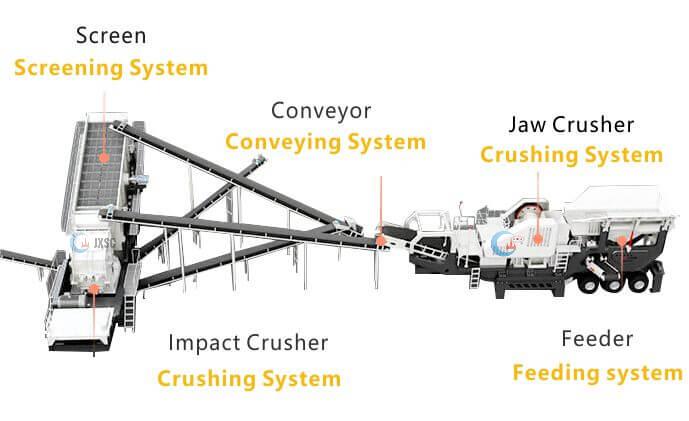
To configure this setup effectively, follow these detailed steps. First, evaluate your raw material properties, including hardness, size, and required final product specifications, along with target hourly capacity (e.g., 50-100 tons for a standard 69 jaw crusher). Use a production line flowchart to map out the process. As illustrated in the flowchart below, which outlines the sequence from primary to tertiary crushing:
Flow Chart of Stone Production Line
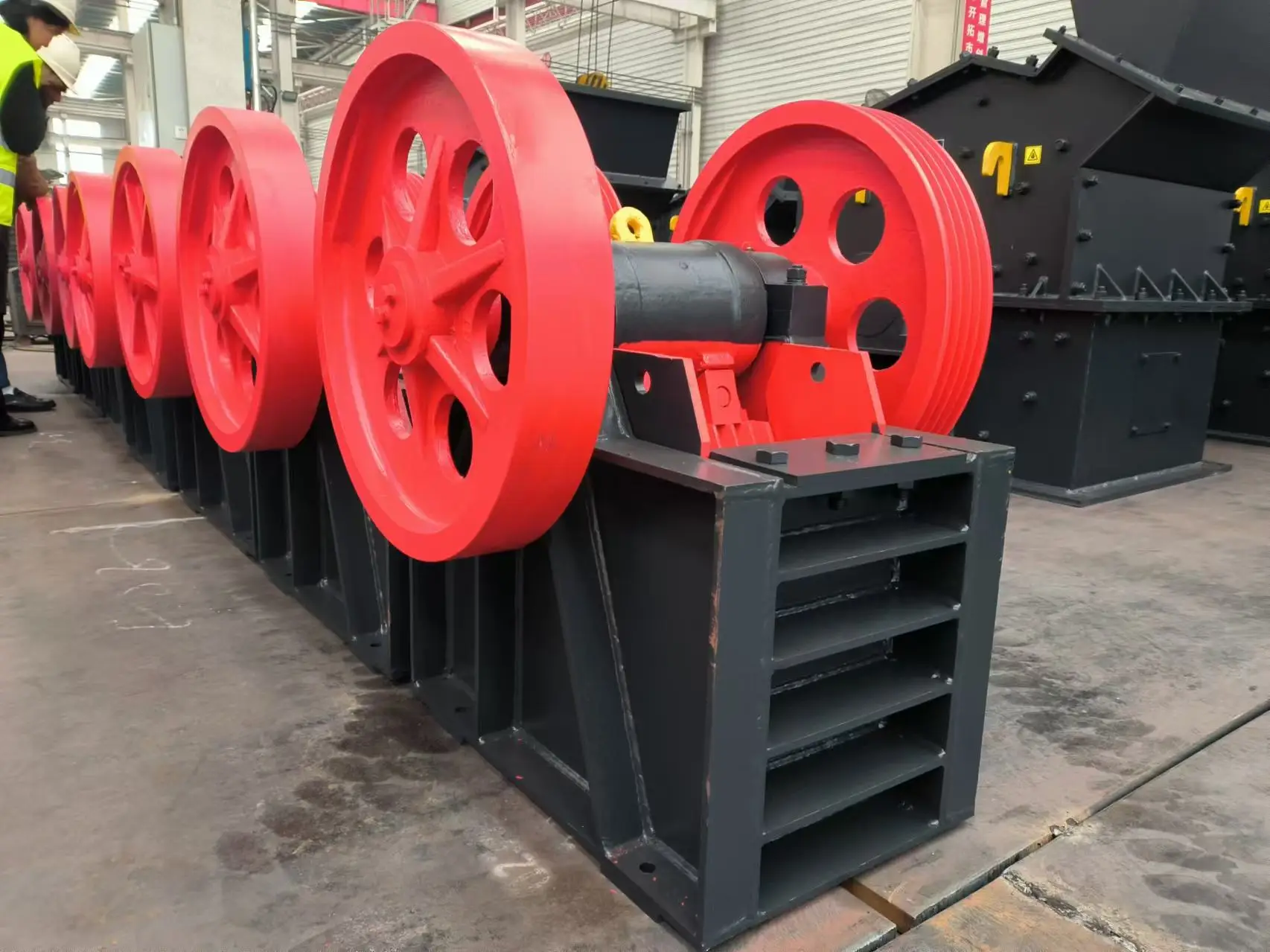
Next, select the motor for the 69 jaw crusher based on power calculations—commonly 55-75kW for standard operations. Install it by aligning the motor base with the crusher frame, securing with bolts, and connecting via V-belts to the flywheel. Refer to the installation guide shown here for precise alignment to avoid belt slippage:
How To Operate A Jaw Crusher?
Then, determine the secondary jaw crusher size by matching it to the primary output; for a 69 model producing mid-sized aggregates, opt for a PE400x600 (feed opening 400x600mm) to handle 15-60 tons per hour. Consult a sizing chart to verify compatibility, as depicted in this reference chart for secondary crushers:
Small Jaw Crushers – 911Metallurgist
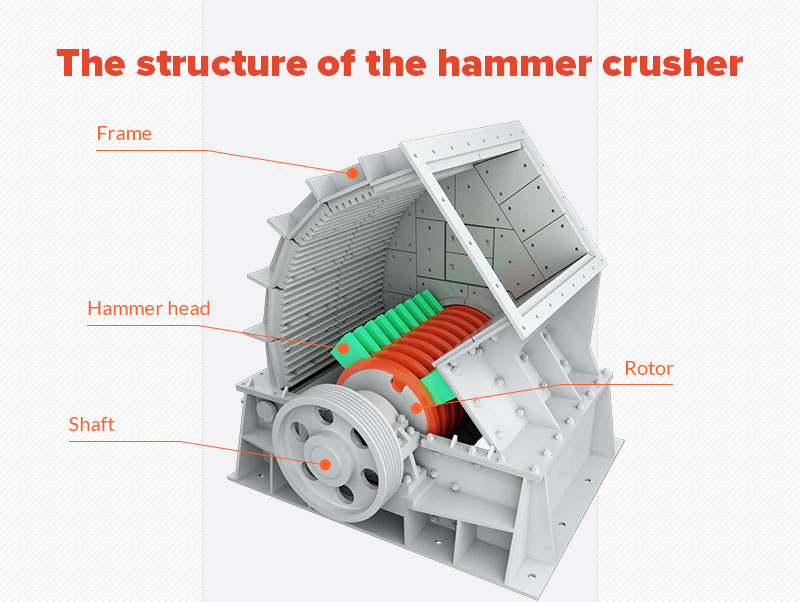
Finally, choose the impact crusher based on the secondary output and desired fineness; a PF1010 (rotor diameter 1000x1050mm) pairs well, processing up to 80 tons per hour. Integrate it by ensuring conveyor belts feed material evenly, and check the structural diagram for proper matching:
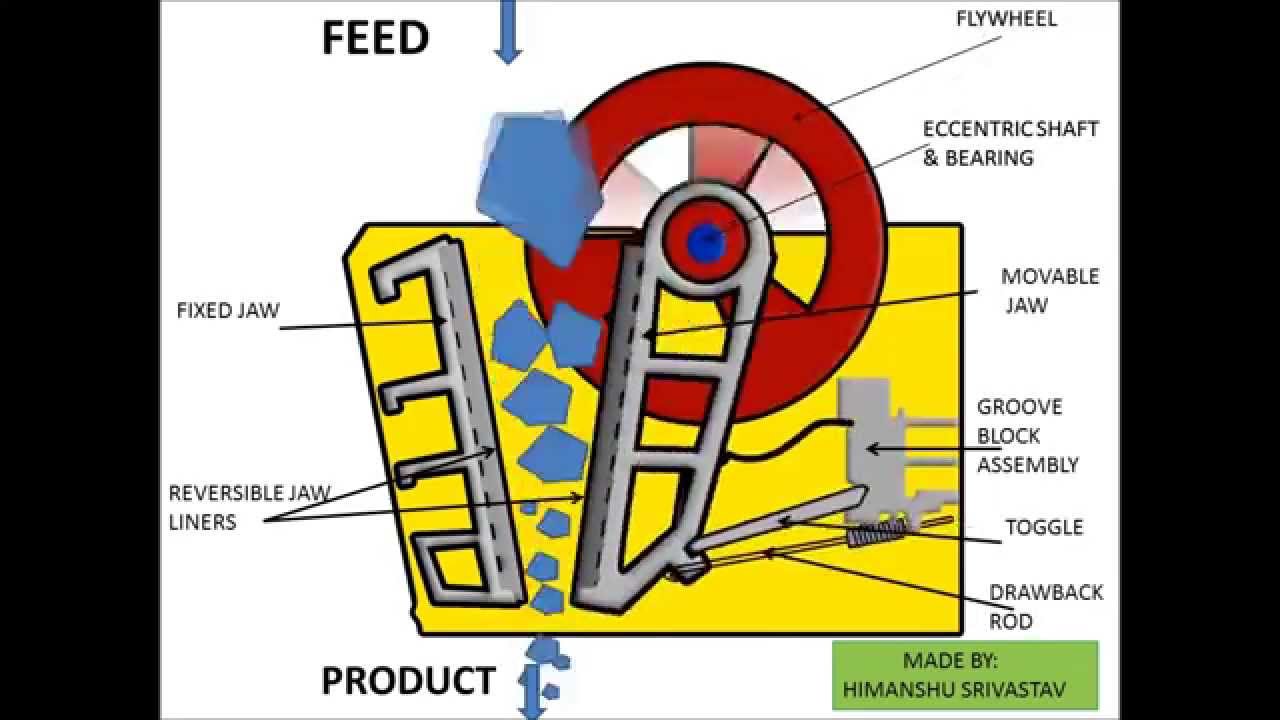
Jaw Crusher Diagram: Simplified Guide
In practice, a quarry in China equipped a PE600x900 with a 75kW motor, a PE400x600 secondary, and a PF1010 impact crusher, achieving 120 tons per hour of gravel with 15% less energy use than mismatched setups. Another site in the US used a 55kW motor for lighter limestone, paired with a smaller PE250x400 secondary and PF1007 impact, resulting in consistent 80-ton output and reduced maintenance costs by 25% over six months. A third example from a construction project involved upgrading to a 75kW motor and PF1210 impact, boosting efficiency to 150 tons per hour while extending belt life by 40%.
by admin5 | Jan 8, 2026 | News
In the mining and construction industries, crushers play a crucial role in breaking down large materials into smaller, more manageable sizes. To understand the differences between a heavy hammer crusher and a jaw crusher, it’s essential to break down their core concepts, including design, functionality, and applications.
A jaw crusher, also known as a toggle crusher, is a robust machine primarily used for primary crushing. It operates by compressing materials between two plates: a fixed jaw and a movable jaw that swings back and forth. This motion creates a V-shaped cavity where rocks are fed from the top and gradually crushed as they move downward. Jaw crushers are typically built with heavy-duty steel frames to withstand high pressure and are ideal for handling hard, abrasive materials like granite or ore. Their discharge size is adjustable via the gap between the jaws, allowing for control over the final product size.
On the other hand, a heavy hammer crusher is an impact-based machine designed for efficient, one-stage crushing. It features a large rotor equipped with heavy hammers that rotate at high speeds, striking and shattering materials upon impact. The structure includes a sturdy casing, a feeding inlet, and a discharge outlet with grates to control particle size. Unlike jaw crushers, heavy hammer crushers excel in processing medium-hard materials such as limestone, coal, or gypsum, where the impact force can achieve finer reduction in a single pass. This design emphasizes kinetic energy over compression, leading to higher throughput in certain scenarios.
What are some common questions about the differences between heavy hammer crushers and jaw crushers? One frequent query is: Which one is better for primary crushing of very hard rocks? Jaw crushers are generally superior for this purpose because their compressive mechanism can handle tougher, more abrasive materials without excessive wear, whereas heavy hammer crushers might experience faster hammer degradation on extremely hard substances. Another common question is: How do their energy consumption levels compare? Jaw crushers tend to be more energy-efficient for coarse crushing due to their slower operation and focused force application, while heavy hammer crushers consume more power but offer faster processing for softer materials, potentially balancing out in overall operational costs.
Knowing the distinctions between these two crushers provides several advantages. First, it enables better equipment selection tailored to specific material types and project needs, which can significantly enhance productivity and reduce downtime. For instance, choosing the right crusher minimizes unnecessary wear on parts, extending machine lifespan and lowering maintenance expenses. Additionally, understanding these differences optimizes the crushing process, leading to improved product quality—such as more uniform particle shapes—which is vital for downstream applications like concrete production or road construction. Overall, this knowledge helps in achieving cost savings, environmental benefits through efficient resource use, and safer operations by matching machinery to workload demands.
To effectively distinguish between a heavy hammer crusher and a jaw crusher in practice, follow these detailed steps. Start by examining the external structure and components. Look at the machine’s frame and key parts: a jaw crusher will have prominent jaw plates forming a V-shape, while a heavy hammer crusher features a cylindrical rotor housing with access panels for hammers.
Jaw Crusher Diagram: Simplified Guide – JXSC
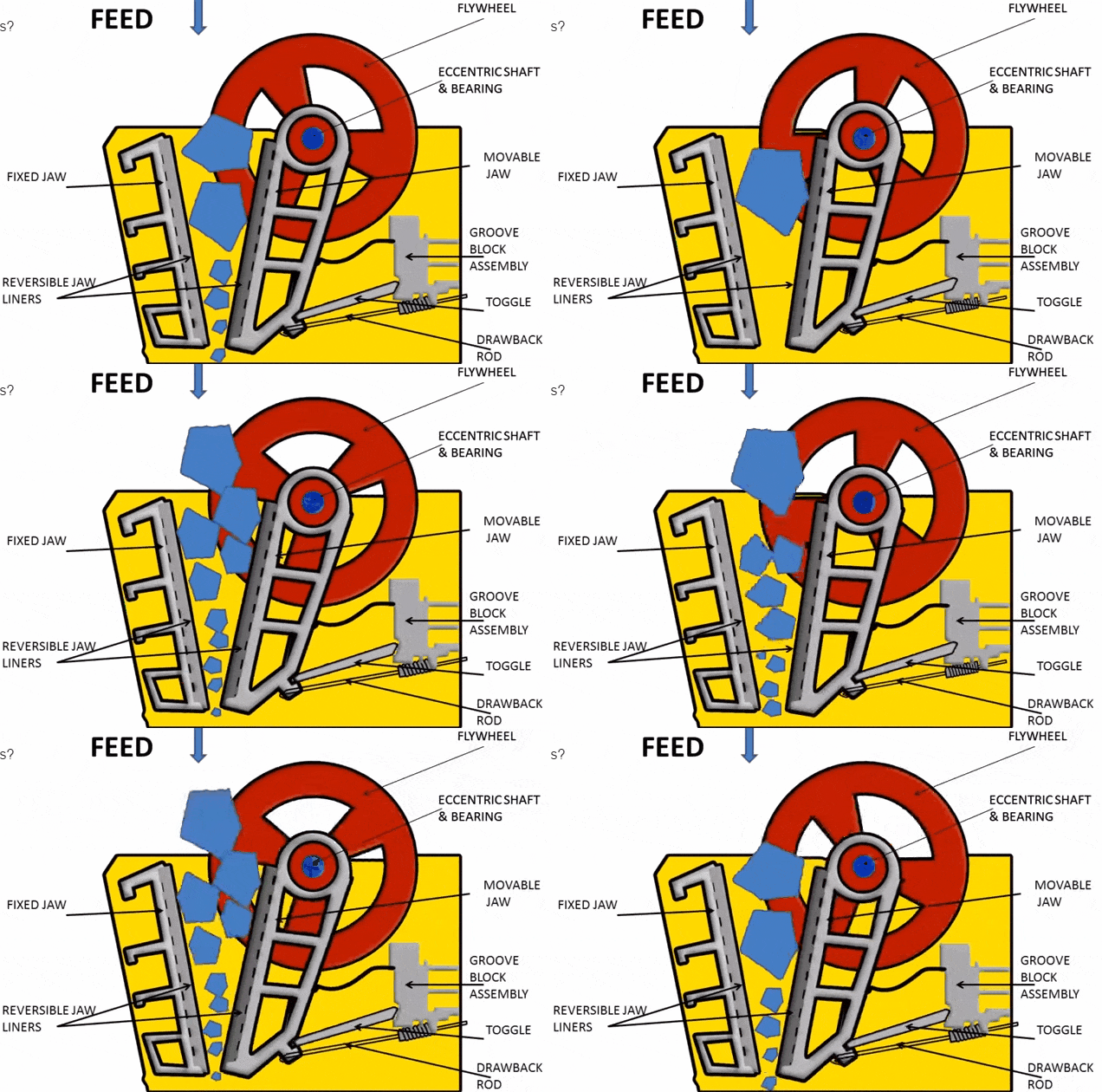
Next, observe the internal working mechanism by reviewing diagrams or animations if available. For a jaw crusher, note the eccentric shaft that drives the movable jaw in a reciprocating motion to compress materials.
How does a Jaw Crusher Work – Mineral Processing | Jaw Crusher Animation
In contrast, a heavy hammer crusher relies on a high-speed rotor where hammers swing freely to impact and break down feed material.
Hammer Crusher Working Principle in animation
Then, test or simulate the crushing process with sample materials. Feed a hard rock into each and compare the output: jaw crushers produce more elongated particles, whereas heavy hammer crushers yield cubical shapes due to multiple impacts.
Difference Between Hammer Crusher vs Jaw Crusher
Finally, evaluate performance metrics like throughput and energy use under similar conditions to quantify differences, ensuring you select based on your specific requirements.
In real-world applications, these differences manifest in tangible results. For example, in a limestone quarry project, switching from a jaw crusher to a heavy hammer crusher reduced processing stages from two to one, increasing daily output by 30% and cutting energy costs by 15%. In another case involving granite mining, using a jaw crusher for primary reduction prevented excessive wear that a heavy hammer model would have suffered, extending equipment life by over 20% and avoiding frequent downtime. Lastly, a construction aggregate plant reported improved product quality with a heavy hammer crusher on softer stones, resulting in 25% better sales due to more uniform particle shapes that enhanced concrete strength.
by admin5 | Jan 2, 2026 | News
Part 1: Concept Breakdown and Introduction
The PE1200×1500 jaw crusher is a large-scale primary crushing machine from the PE series, widely used in mining, quarrying, aggregate production, construction, and recycling industries. “PE” stands for the standard jaw crusher series, known for its simple structure and reliability. The model designation “1200×1500” refers to the feed opening dimensions: 1200 mm width and 1500 mm length.
This crusher operates on the principle of compression crushing. A fixed jaw plate and a movable jaw plate form a V-shaped crushing chamber. An eccentric shaft drives the movable jaw to swing back and forth, squeezing and breaking materials against the fixed jaw. It excels at handling hard and abrasive materials like granite, limestone, iron ore, and concrete, with a maximum compressive strength up to 320 MPa.
Key specifications include:
- Maximum feed size: up to 1020-1000 mm
- Discharge opening range: 150-300/350 mm
- Motor power: 160-220 kW
- Weight: approximately 86-100 tons
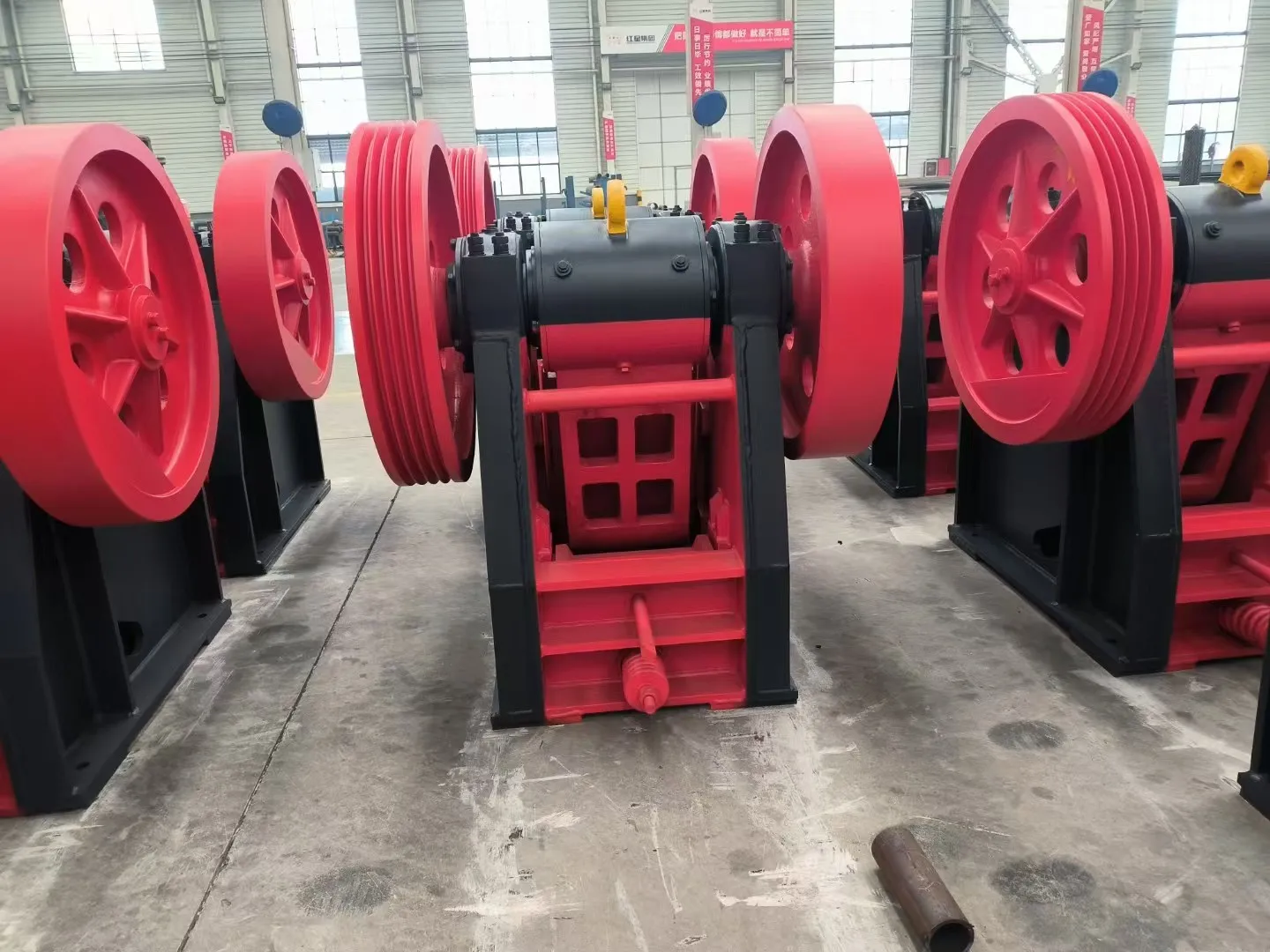
Here is a photo of a typical PE1200×1500 jaw crusher in a manufacturing or operational setting:
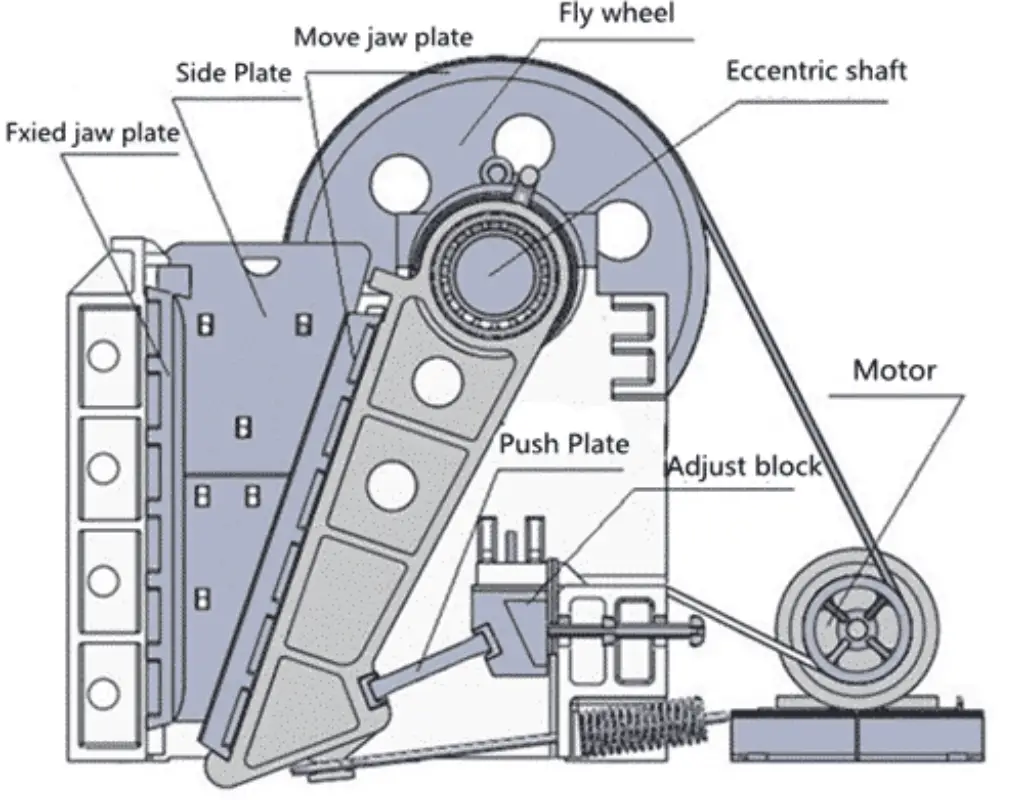
And a labeled structure diagram for better understanding:
Part 2: Two Related Questions and Answers
Question 1: What is the typical production capacity of the PE1200×1500 jaw crusher? The capacity ranges from 400 to 1000 tons per hour (t/h), most commonly cited as 400-800 t/h. This varies based on factors like material hardness, feed size, moisture content, discharge setting, and operational conditions. For medium-hard materials like limestone with optimal settings, it often achieves 600-800 t/h.
Question 2: How much does a PE1200×1500 jaw crusher typically cost? Prices generally range from $100,000 to $200,000 USD (approximately 700,000 to 1.4 million RMB), depending on the manufacturer, configuration (fixed or mobile), accessories, and market conditions in 2026. Chinese manufacturers offer competitive pricing around the lower end, while premium brands or customized units may be higher. Exact quotes require contacting suppliers, as prices fluctuate with steel costs and demand.
Part 3: Benefits of Using the PE1200×1500 Jaw Crusher
Investing in this model offers several advantages:
- High throughput: Handles large volumes efficiently, ideal for high-production lines (e.g., 1000+ t/h aggregate plants).
- Durability and reliability: Robust frame and high-manganese steel jaw plates reduce wear and downtime.
- Cost-effective operation: Low energy consumption (15-30% savings in some designs) and simple maintenance lower long-term costs.
- Versatility: Processes a wide range of materials, serving as the primary crusher in quarries, mines, and recycling sites.
- Improved efficiency: Deep crushing chamber and optimal nip angle ensure better material flow and higher reduction ratios.
Here is an image of a large jaw crusher in operation at a mining site:
Part 4: Detailed Step-by-Step Guide on How to Operate It
Operating a PE1200×1500 jaw crusher safely and efficiently involves preparation, startup, monitoring, and shutdown. Always follow the manufacturer’s manual and safety protocols.
Step 1: Preparation and Inspection Check the crusher for damage, ensure jaw plates are secure, lubricate bearings, and verify no foreign objects in the chamber. Confirm feeder and conveyor alignment.
Illustration of key structural components:
Step 2: Adjust Discharge Setting Use the wedge or hydraulic system to set the closed-side setting (CSS) for desired output size (150-300 mm range).
Step 3: Start the Crusher Power on auxiliary equipment first (feeder, conveyors). Start the motor and let it reach full speed (no-load run for 5-10 minutes).
Step 4: Feeding Material Gradually feed material via vibrating feeder. Avoid overfeeding to prevent blockage.
Step 5: Monitor Operation Watch for vibrations, noise, temperature, and amperage. Adjust feed rate for optimal performance.
How To Operate A Jaw Crusher?
Step 6: Shutdown Stop feeding, allow chamber to clear, then shut down motor and auxiliaries.
Part 5: 2-3 Practical Results
- Limestone Quarry in China: A 1000 t/h production line using PE1200×1500 as primary crusher achieved stable output of 700-900 t/h, reducing downstream equipment load and increasing overall plant efficiency by 20%.
- Granite Mining Site: Processed hard granite at 500-800 t/h with minimal jaw plate wear (replacement every 6-8 months), resulting in low operating costs and high profitability.
- Aggregate Plant Upgrade: Replacing a smaller crusher with PE1200×1500 boosted capacity from 400 t/h to over 800 t/h, enabling the site to meet higher demand and generate additional revenue.
These real-world applications demonstrate the model’s reliability for large-scale operations.

by admin5 | Dec 29, 2025 | News
Breaking Down the Concept of Small Mobile Crushers and Their Hourly Capacity
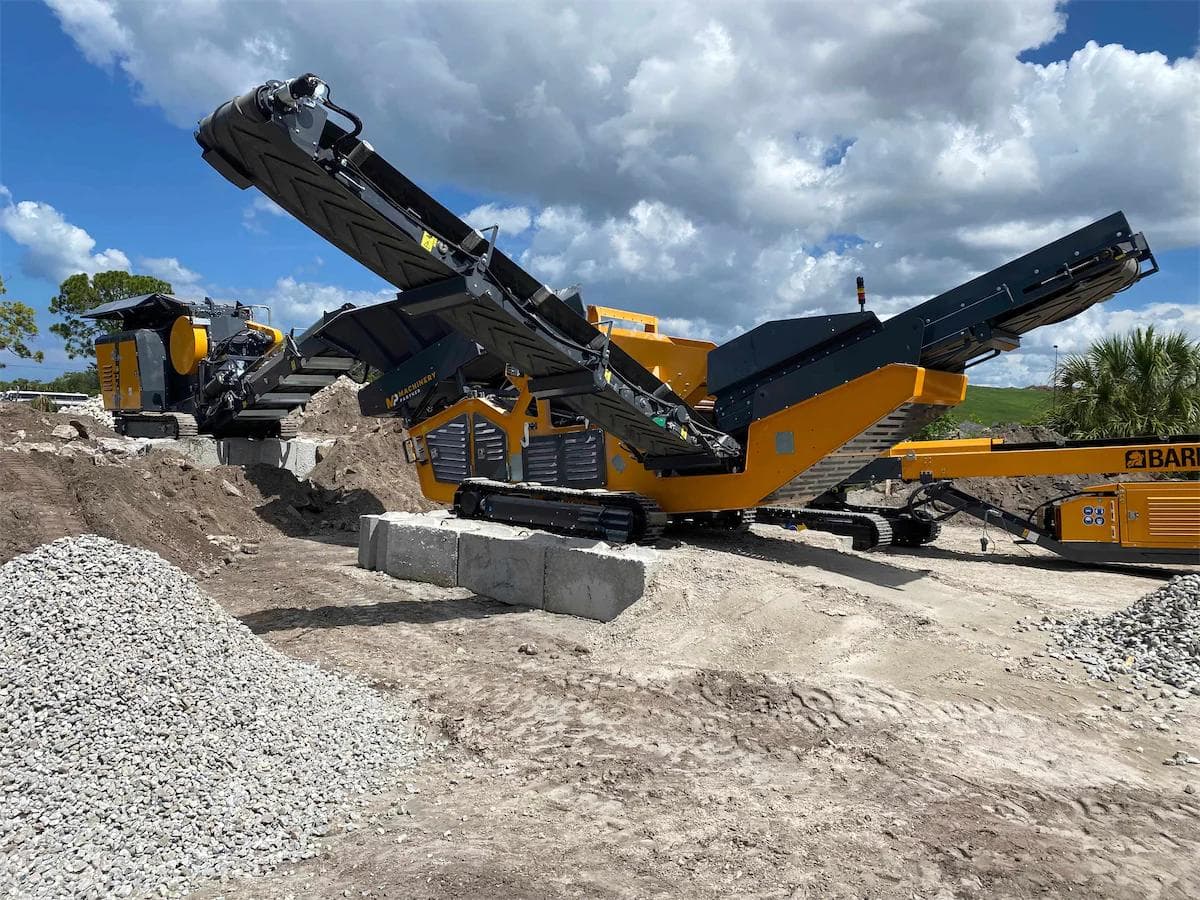
A small mobile crusher is a compact, portable machine designed for on-site crushing of materials like rocks, concrete, asphalt, and aggregates. Unlike larger stationary crushers, these units are mounted on tracks or wheels, allowing easy transportation and setup at various job sites, such as construction zones, quarries, or recycling facilities. The “small” designation typically refers to models with lower power requirements and smaller feed openings, making them ideal for limited spaces or smaller-scale operations.
Key components include a jaw, impact, or cone crusher mechanism, a hopper for feeding materials, conveyor belts for output, and often screens for sorting crushed products. The hourly crushing capacity—measured in tons per hour (TPH)—varies based on the machine’s design, but for small models, it generally ranges from 10 to 90 TPH. This capacity depends on factors like the type of material being crushed (e.g., soft limestone vs. hard granite), input size, moisture content, and operational efficiency. For instance, entry-level small mobile jaw crushers might handle 10-30 TPH for softer materials, while more robust compact units can reach up to 90 TPH for concrete recycling. Understanding this breakdown helps operators select the right equipment to match project demands without over- or under-investing.
Related Questions and Answers
1. What factors influence the crushing capacity of a small mobile crusher?
Several variables affect how many tons a small mobile crusher can process per hour. Material hardness and density play a major role—softer materials like concrete allow for higher throughput, while denser rocks like granite reduce it. Input size must fit the crusher’s feed opening; oversized pieces require pre-breaking, slowing production. Operational settings, such as crusher speed, closed-side setting (for jaw crushers), and maintenance levels, also impact efficiency. Environmental factors like moisture can cause clogging, dropping capacity by 10-20%. Additionally, the crusher type (jaw vs. impact) and engine power determine baseline TPH, with estimates calculated using formulas like volume per swing times density times cycles per minute.
2. How does a small mobile crusher compare to a larger stationary one in terms of capacity and use?
Small mobile crushers prioritize portability over raw power, offering 10-90 TPH compared to stationary units that can exceed 500 TPH for high-volume quarries. They excel in flexible, on-site applications like urban demolition or remote sites where transporting materials is costly. Stationary crushers are fixed installations for continuous, large-scale production but require significant setup time and infrastructure. Mobiles reduce haulage needs and emissions by processing materials directly at the source, though they may need more frequent relocation for bigger projects.
Benefits of Using Small Mobile Crushers
Small mobile crushers offer several advantages that make them a smart choice for contractors and small operations. First, their mobility allows for quick relocation between sites, reducing downtime and transportation costs for raw materials—potentially saving up to 30% on logistics by crushing on-site. This flexibility supports sustainability by minimizing fuel use and carbon emissions from hauling. Second, they lower overall operating expenses through easier permitting, faster setup (often under an hour), and reduced need for large crews or heavy infrastructure. Third, they enhance productivity in confined spaces, turning waste into reusable aggregates, which can create new revenue streams from recycling. Finally, their compact size ensures high-quality output with consistent sizing, improving material value while maintaining safety and efficiency in diverse applications like road construction or landscaping.
Step-by-Step Guide: How to Determine and Achieve Hourly Crushing Capacity
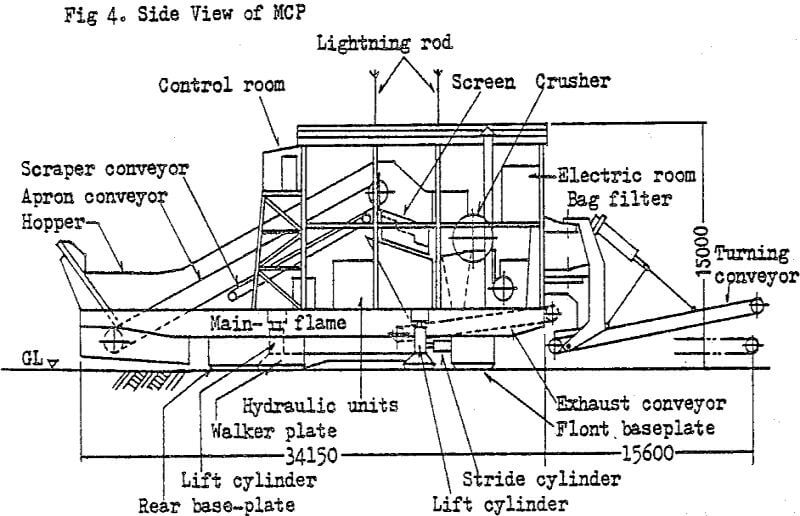
To figure out and optimize how many tons a small mobile crusher can crush per hour, follow these detailed steps. This process involves setup, operation, and calculation, ensuring safe and efficient performance. Use the provided operation diagrams for visual guidance.
- Site Preparation and Crusher Positioning: Select a stable, level area free of hazards. Tow or drive the mobile crusher to the site, then deploy stabilizers or tracks for stability. Ensure the machine is aligned with the material pile for easy feeding. Check fuel, oil, and hydraulic levels before starting the engine.
Designing a Complete Mobile Crushing & Screening Plant: A Step-by …
(Diagram showing mobile crusher setup on-site, illustrating positioning and stabilization.)
- Material Assessment and Feeding Setup: Evaluate the input material for size, type, and moisture. Pre-screen if needed to remove oversized pieces. Set up the hopper and feeder; adjust the feed rate to match the crusher’s capacity (e.g., avoid overloading a 50 TPH unit). Start the conveyor belts and ensure safety guards are in place.
A Mobile Crusher Can Easily Handle Construction Waste • JXSC Rock …
(Operation diagram depicting material flow from hopper to crusher chamber.)
- Crusher Configuration and Startup: Adjust settings like jaw gap or impact rotor speed based on desired output size. Power on the machine, allowing it to idle for warm-up. Gradually introduce material while monitoring for blockages. Use the control panel to fine-tune speed and pressure.
(Side-view diagram of internal crushing components during operation.)
- Monitoring and Capacity Calculation: Run the crusher for a test period (e.g., 30 minutes). Weigh the output using scales or estimate via conveyor volume. Calculate TPH with the formula: (Output weight in tons) × (60 minutes / test duration in minutes). Factors like density (use 1.6 tons/m³ for average rock) and efficiency (aim for 80-90% utilization) refine this. Adjust operations if below target, such as clearing jams or optimizing feed.
How to Set Up a Stone Crusher Plant: Equipment, Layout, and Costs …
(Step-by-step layout of crusher plant setup, including monitoring points.)
- Shutdown and Maintenance: After operation, stop feeding material and let the crusher clear out. Power down, clean debris, and inspect wear parts. Log the session’s TPH for future reference.
Practical Results from Real-World Applications
Here are 2-3 examples of small mobile crushers in action, demonstrating achievable hourly outputs:
- Concrete Recycling Project: A compact jaw crusher like the Senya 3 model processed urban demolition waste at a rate of 20-30 TPH. Over an 8-hour day, it produced 200 tons of reusable aggregate, reducing landfill needs and generating revenue from sales.
- Quarry Operation for Aggregates: In a small-scale quarry, a mobile impact crusher handled limestone, averaging 50 TPH. This allowed for on-site production of road base material, cutting transport costs by 25% and completing a 400-ton job in one shift.
- Asphalt Demolition Site: A tire-mounted mobile crusher outputted 150 TPH of mixed asphalt and concrete, though scaled for smaller models it adjusted to 80 TPH for finer control. The result was efficient recycling for a highway repair project, with minimal downtime.

by admin5 | Aug 27, 2025 | News
Hi there! I’m a construction equipment specialist with over ten years of hands-on experience in advising on crushing and screening solutions. Throughout my career, I’ve seen how the right equipment can transform project efficiency—and few machines do that better than the small mobile crusher.
In this article, I’ll break down why these compact powerhouses are so useful across different industries, what makes them special, and what really drives their price. No fluff—just real insights from the field.
Why Small Mobile Crushers Shine Across Industries
From recycling construction waste to processing minerals in tight spaces, small mobile crushers deliver impressive flexibility. I’ve personally used them in mining, road construction, and even urban demolition projects where space and mobility were non-negotiable.
Their adaptability isn’t just a marketing claim. With minimal setup time and low ground requirements, these crushers help small and mid-sized operators take on projects that would otherwise require much larger, fixed equipment. Whether you’re handling concrete, asphalt, or soft to medium-hard rocks, a well-configured mobile crusher keeps things moving.
Top Features and Real-World Applications
What really stands out with these machines is how thoughtfully designed they are. Here’s what I appreciate the most:
1. Smart Design & PLC Control System
Many modern units feature a ship-style steel frame and folding structure, which simplifies transport and improves on-site mobility. The intelligent PLC control system—with its touch screen interface—gives operators precise control over output size and quality. In my experience, this results in less waste and more consistent product quality.
2. Self-Sufficient Power and Compact Layout
The dedicated electric motor allows operation even in areas with limited or no electricity. I’ve operated these crushers in remote sites where generator power was our only option—and they performed flawlessly. The compact and foldable design means you can move between sites quickly without extra trailers or breakdowns.
What Influences the Price? Let’s Be Real.
If you’re looking to invest in one of these, know that prices aren’t one-size-fits-all. Based on what I’ve seen, here’s what really affects the cost:

-
Brand & Model Differences: Manufacturers from different regions apply varying levels of technology, build quality, and performance standards. Higher-end models often include more durability features and automation, which impact the final price.
-
Functional Configuration: You can go for a stand-alone crushing unit or a fully-equipped system with feeding, screening, and conveyor modules. More features mean higher cost—but also greater long-term versatility. Always match the configuration to your specific needs.
Pro Tip: Don’t just look at the sticker price. Consider fuel consumption, maintenance costs, and part availability in your region. Sometimes, spending a little more upfront saves a lot down the road.
Final Thoughts
Small mobile crushers are reliable, versatile, and ideal for contractors who need to stay agile. Whether you’re recycling building materials or crushing aggregates on-site, this equipment can help you do more—with less hassle.
If you’re considering buying one, reach out to trusted suppliers, ask for demos, an
d compare models based on your most common job requirements.
About the Author:
With a background in civil engineering and years of on-site machinery operation, I’ve helped dozens of companies optimize their equipment lineup. I believe in practical, no-nonsense advice that makes tough jobs easier.