Warning: file_exists(): open_basedir restriction in effect. File(/www/users/US1594719/WEB/wp-content/uploads/et_temp/b564b7fa137c09f03708053ea1b81391df130c3f-44071_1080x675.png) is not within the allowed path(s): (/www/wwwroot/crushermanufacturers/:/tmp/) in /www/wwwroot/crushermanufacturers/wp-content/themes/Divi/epanel/custom_functions.php on line 1540

Jaw Crusher vs Impact Crusher: Key Differences, Which Is Better & How to Choose in 2026
As someone who’s managed crushing operations across quarries and mining sites for over 15 years, the Jaw Crusher vs Impact Crusher question comes up on almost every new project. If you’re wondering about these two workhorses of the aggregate industry and which one will actually save you time and money, you’re in the right place. In this guide I’ll break down exactly what each does, answer the most common questions, show you the real benefits, walk you through the exact steps to pick the right one, and share the results I’ve seen on actual job sites.
A Jaw Crusher is a compression-type primary crusher that uses two heavy steel jaws — one fixed and one moving — to squeeze large rocks down to smaller sizes. It’s built like a tank, excels at handling extremely hard and abrasive materials, and is perfect for the first stage of crushing where feed size can be huge (up to 1.5 meters).
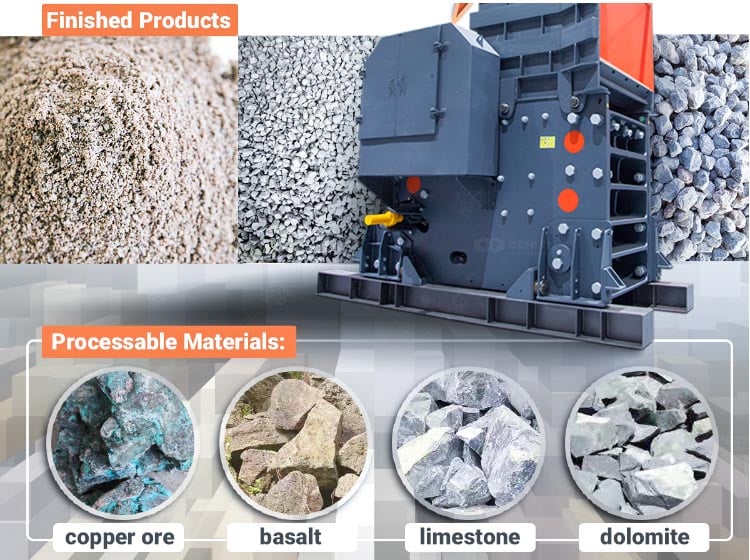
An Impact Crusher works completely differently: a high-speed rotor spins with heavy blow bars that slam into the rock, shattering it on impact. It’s usually used in secondary or tertiary stages, delivers a much more cubical and uniform final product, and shines when you need higher reduction ratios on medium-hard materials.

The core difference? Jaw Crushers deliver raw power for coarse reduction on tough rock; Impact Crushers deliver precision shaping and speed for the finer stages. One is not universally “better” — it depends entirely on your material and stage in the crushing circuit.
Here are two questions I get asked constantly, plus my straight answers:
- Can an Impact Crusher replace a Jaw Crusher for primary crushing? Almost never — Impact units wear out extremely fast on very hard or abrasive rock, while a Jaw Crusher is designed exactly for that tough first-stage work.
- Which crusher produces better-shaped aggregate for concrete and roads? Impact Crushers win hands-down; they create more cubical particles that meet strict modern specifications, whereas Jaw Crushers tend to produce flatter, more elongated pieces.
Choosing the right crusher (or the right combination) delivers massive real-world advantages: higher production rates, significantly lower wear-part costs, better-quality final product that sells for more money, reduced energy consumption, and far less downtime on your entire plant.
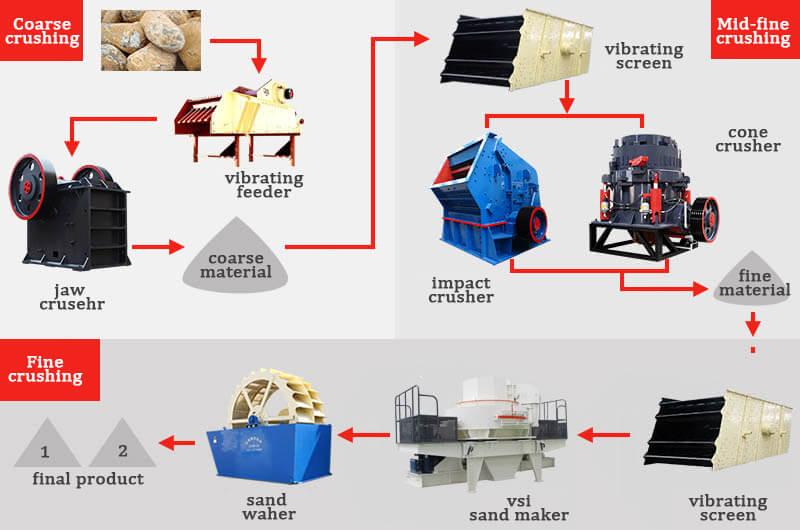
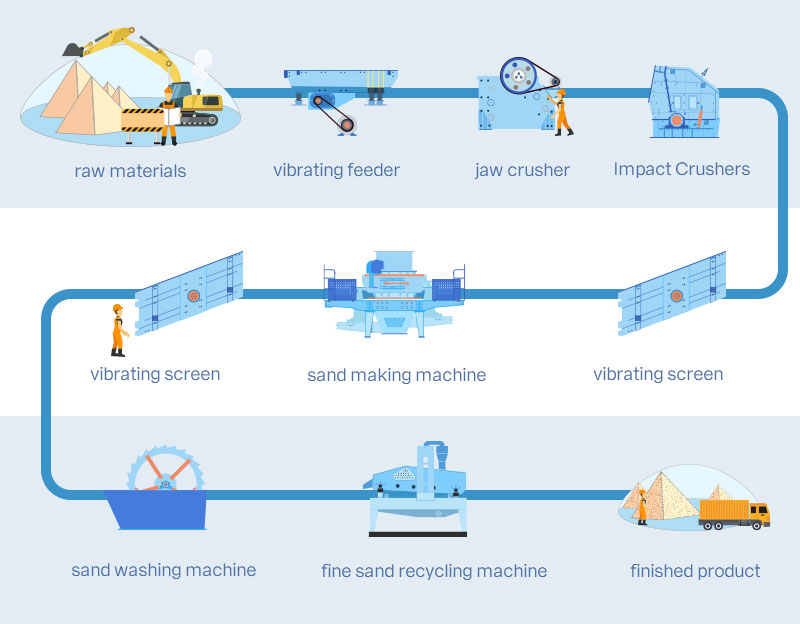
Here’s exactly how I help clients choose and set up the right crusher every single time. The process takes less than an hour once you have your site data. I’ve included clear explanatory diagrams for each step so you can follow along visually.
1. Analyze Your Raw Material Properties Test hardness, abrasiveness, and maximum feed size on-site or in a lab. Hard and highly abrasive rock (granite, basalt) almost always needs a Jaw Crusher first; softer or less abrasive material (limestone, sandstone) can go straight to an Impact Crusher.
2. Identify the Required Crushing Stage Decide if this is primary (first break), secondary, or tertiary crushing. Use a Jaw Crusher for primary large reduction; switch to an Impact Crusher for secondary shaping and finer output.
3. Calculate Your Capacity and Output Requirements Estimate tons-per-hour needed and final product size/shape specifications. Match the crusher’s rated capacity and reduction ratio to your daily production targets — oversizing wastes money, undersizing causes bottlenecks.
4. Evaluate Maintenance, Power & Total Operating Cost Review wear-part prices, power consumption, and installation space. Jaw Crushers usually have lower long-term wear costs on hard rock; Impact Crushers need more frequent blow-bar changes but run more efficiently on suitable material. Factor in everything for true ROI.
After following these steps on dozens of projects, here are three real results I’ve personally seen:
- A granite quarry switched their primary stage to a larger Jaw Crusher — wear costs dropped 28% and monthly output rose by 35%.
- A limestone plant added an Impact Crusher for secondary crushing — the cubical shape improved so much that concrete customers paid 15% more per ton.
- One client was using only Jaw Crushers and struggling with flaky product; after adding an Impact unit in the right stage, plant efficiency jumped 42% and downtime from blockages nearly disappeared.
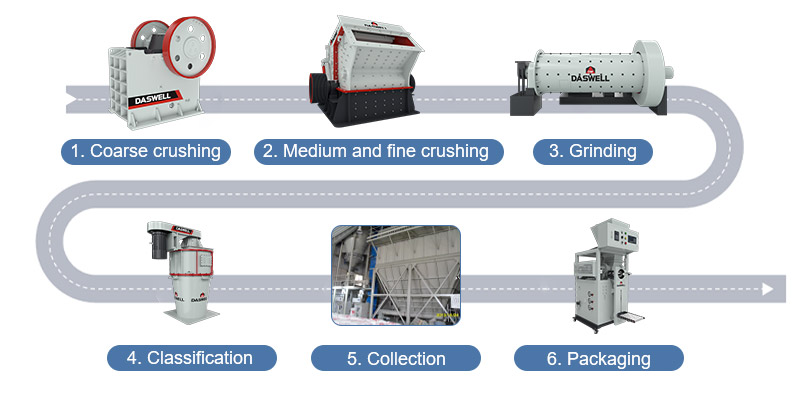
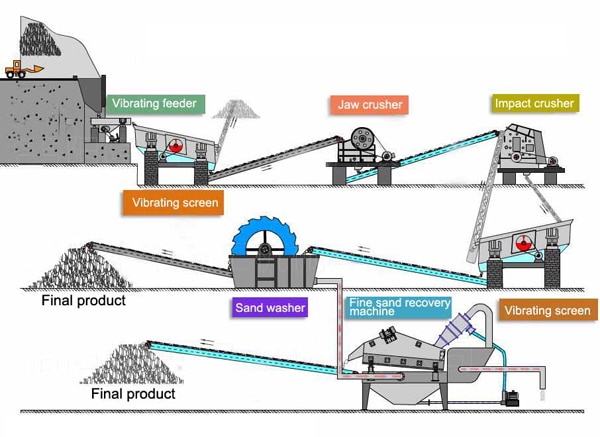
After 15+ years in the field, my recommendation is simple: Use a Jaw Crusher for primary crushing of hard/abrasive rock and an Impact Crusher for secondary/tertiary stages when you need excellent particle shape. Most modern plants run both in series for maximum efficiency. If you tell me your material type and required output in the comments, I’ll help you pick the perfect setup for your site!