
Sand washing machines are specialized equipment designed to clean and separate sand from impurities such as dirt, clay, and silt, ensuring high-quality material for construction, mining, and other industries. Breaking down the concept, these machines typically fall into two main categories: wheel bucket washers, which use rotating wheels to agitate and rinse sand, and spiral washers, which employ helical screws to scrub and dewater the material. A capacity of 1000 tons per day translates to processing roughly 100 tons per hour over a standard 10-hour operation, making it suitable for large-scale operations like quarries or aggregate plants. Key components include the washing tank, drive motors, water pumps, and discharge systems, with efficiency depending on factors like water flow rate and material feed size.
One common question is: What are the main types of sand washing machines available for high-capacity needs? The primary types are wheel and spiral washers; wheel models are more compact and energy-efficient for finer sands, while spiral ones handle coarser materials better and offer superior cleaning but require more space and power. Another frequent query: How does capacity affect the machine’s design? Higher capacities like 100 TPH demand robust construction with heavier-duty components to withstand continuous operation, often incorporating features like adjustable weirs for better control over the washing process.
Investing in a 1000 tons per day sand washing machine brings several advantages, including enhanced product quality that meets industry standards for concrete and asphalt production, leading to fewer rejections and higher market value. It also boosts operational efficiency by automating the cleaning process, reducing labor costs, and minimizing water usage through recycling systems in advanced models. Environmentally, these machines help control dust and sediment runoff, complying with regulations and promoting sustainable practices in resource extraction.
To acquire and set up such a machine, follow these detailed steps. First, evaluate your specific requirements by calculating daily throughput needs, analyzing the sand type (e.g., river or manufactured), and considering site constraints like available space and power supply.
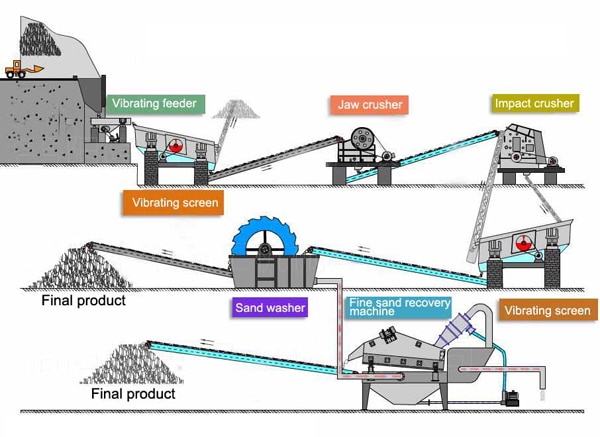
This diagram illustrates the basic working principle, showing how sand enters the washer, gets agitated, and exits cleaned. Next, research reputable suppliers through online platforms or industry directories, comparing models from manufacturers like those on Alibaba or specialized sites, focusing on price ranges from $10,000 for basic wheel types to $150,000 for advanced spiral systems with 100 TPH capacity.
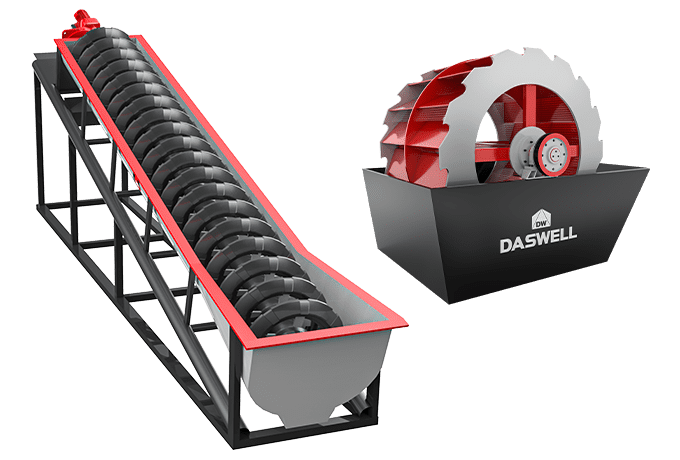
Here’s an example of a sand washing machine model that aligns with high-capacity needs. Then, request quotes from multiple vendors, providing details on your setup to get accurate pricing, which may include shipping and customs fees averaging $3,000 to $10,000. After selecting a model, arrange for professional installation, which involves foundation preparation, electrical wiring, and initial testing, often costing $5,000 to $15,000.
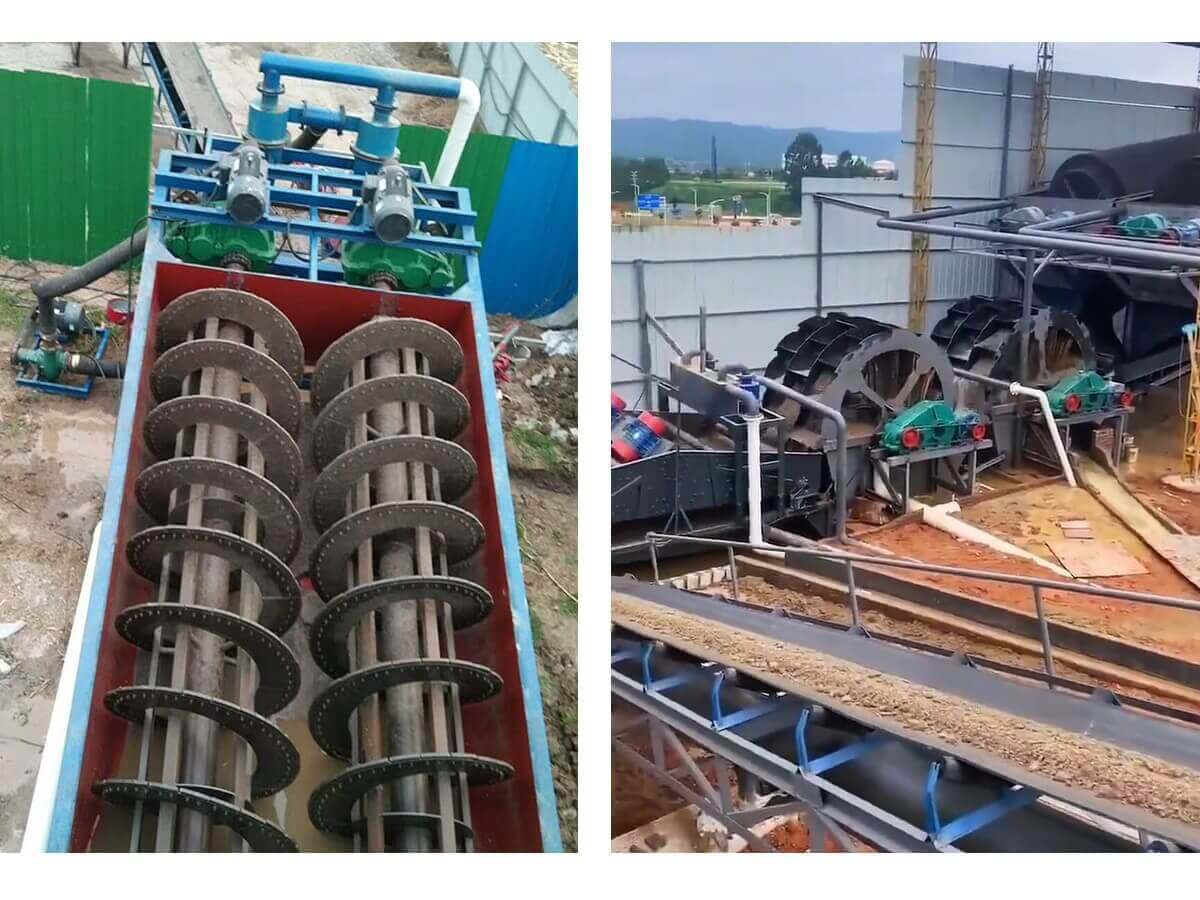
This image depicts the installation process, highlighting key assembly steps. Finally, commence operations with proper training, monitoring water levels and motor performance to ensure optimal output.

The operation view shows the machine in action, with sand being washed and dewatered efficiently.
In practice, a mining company in India installed a 100 TPH spiral sand washer for approximately $80,000, resulting in a 25% increase in clean sand production and reduced impurities from 15% to under 2%, boosting their monthly revenue by $50,000. Another case involved a construction firm in China that opted for a wheel bucket model at $20,000, achieving consistent 1000 tons per day output with lower maintenance costs, saving them $10,000 annually in repairs. A third example from a quarry operation saw investment in a combined washing plant for $120,000, leading to improved environmental compliance and a 30% reduction in water consumption over six months.


